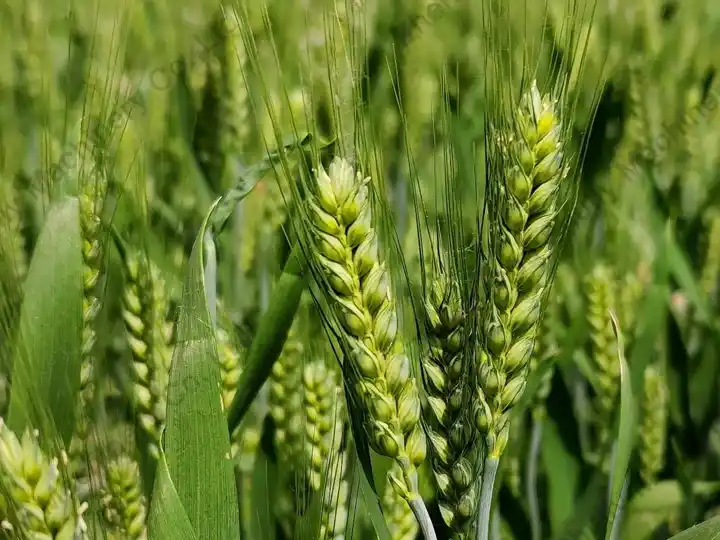
In agricultural production, freshly harvested wheat contains high moisture content. Without timely drying, it is prone to mold, sprouting, and a decline in quality. Traditional sun-drying methods are heavily affected by weather conditions and have low efficiency. As a result, more and more farmers and grain stations are turning to grain drying machines for a faster, safer, and more efficient drying solution.
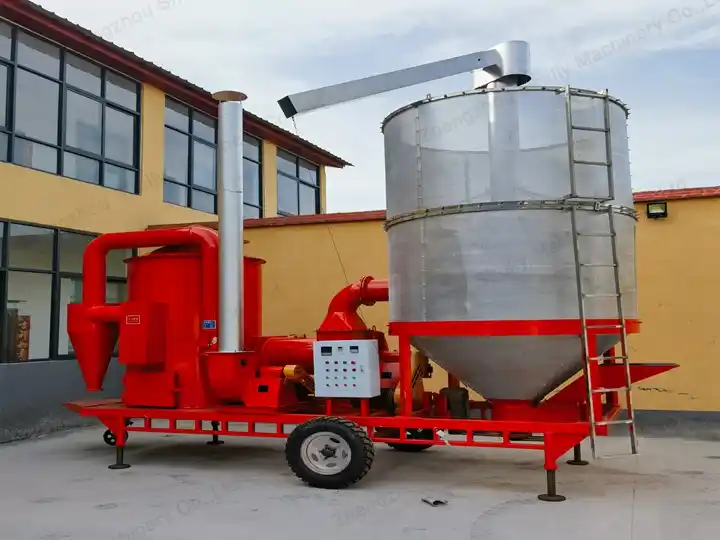
Grain dryers utilize hot air circulation systems, high-efficiency blowers, and intelligent temperature control to achieve a safe, efficient, and controllable wheat drying process. It has become one of the key technologies in the modernization of agricultural mechanization.
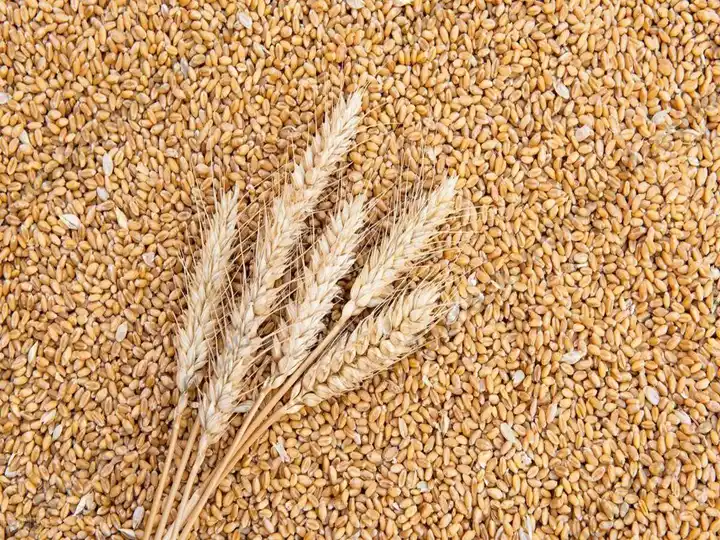
What Is the Principle Behind Wheat Drying?
Grain drying machines adopt hot air circulation drying technology. Heated air is blown into the drying chamber filled with wheat. The hot air penetrates the grain layers, gradually removing moisture from the wheat. Through controlled airflow and material movement, the drying process ensures uniform and thorough results.
After drying, the wheat is discharged through an outlet system into the finished grain silo. Meanwhile, the blower pushes the used air into a filter or collector for purification. A large portion of the hot air can be reused through a circulation channel, significantly reducing fuel consumption and contributing to energy efficiency and environmental protection.
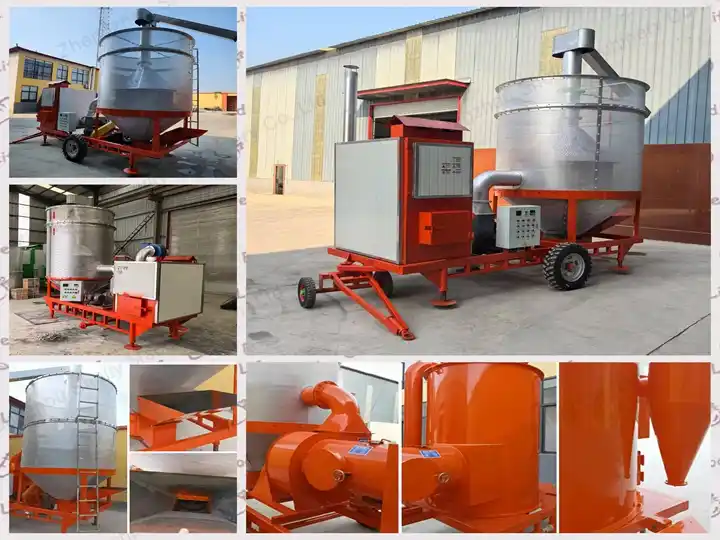
Wheat Drying Process with a Wheat Grain Drying Machines
Step1. Loading the Grain
Wheat is loaded into the drying bin either manually or via an elevator. The loading capacity depends on the model of the machine. During this step, it is crucial to ensure that the grain is evenly distributed in the bin and that the bin is not overloaded.
Step2. Starting the Heating System
Depending on the type of heat source (coal, diesel, biomass, methanol, etc.), the heating furnace is started to heat the air. The hot air temperature is adjustable, and the recommended temperature for drying wheat is between 80°C and 90°C.
Step3. Hot Air Penetration and Drying
The hot air is evenly distributed into the grain bin by a blower. It penetrates the grain layer from the bottom or the side, contacts the wheat, and evaporates the moisture, which is then carried away. The machine is equipped with moisture exhaust vents to discharge the humid air.
Step4. Circulation, Ventilation, and Moisture Reduction
To prevent the issue of dry outside but moist inside, the dryer performs hot air circulation and periodic ventilation. This ensures uniform moisture reduction and avoids under-drying or damage to grain quality.
Step5. Temperature Control
The dryer is equipped with a temperature control system to monitor the internal temperature in real time and prevent overheating. Some smart models can automatically adjust the drying time based on the moisture content of the wheat.
Step6. Cooling and Discharge
After drying, a short cooling phase is performed to prevent moisture rebound. Once cooled, the dried wheat is discharged through an outlet and can be directly bagged or stored.
How Long Does It Take to Dry Wheat?
The drying time depends on the initial moisture content of the wheat, the equipment model, the bin capacity, and the heat source used. Generally speaking:
- It takes about 2 to 3 hours to dry one bin of wheat.
- Each drying cycle can reduce moisture by 3% to 5%.
- The machine supports continuous operation, saving labor and time.
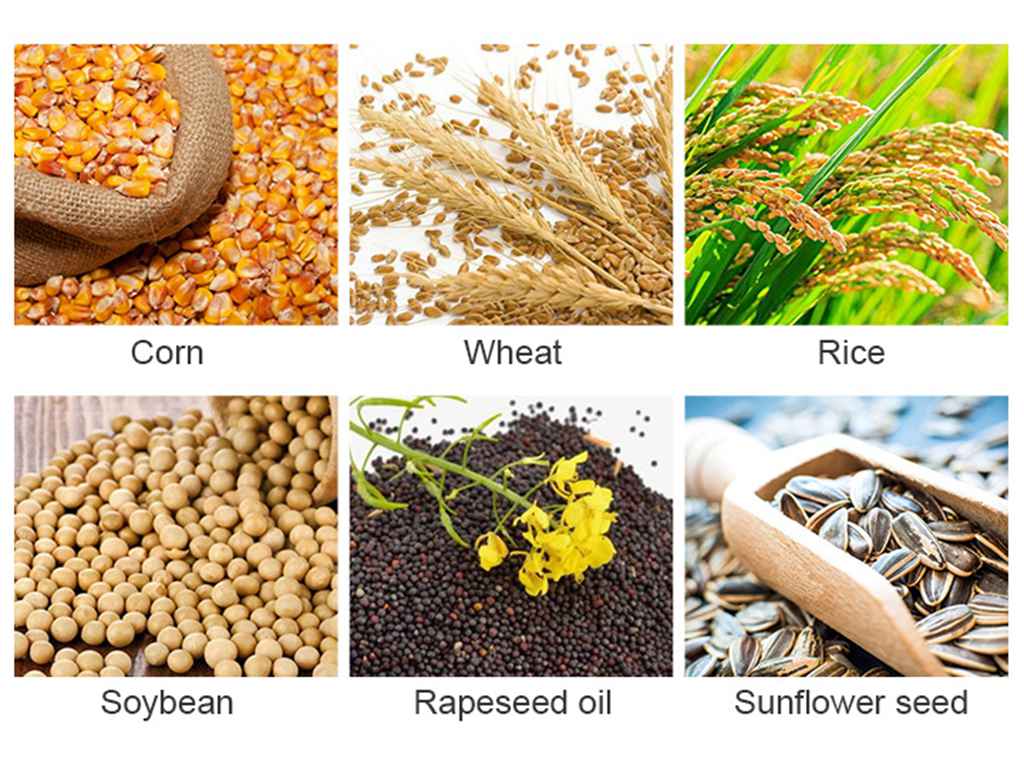
Recommended Drying Temperatures for Different Crops
Wheat: 80–90°C
Corn: 100–140°C (Around 140°C in Northeast China; 120–130°C south of the Yellow River)
Rice: 60–70°C
Sorghum: 100–140°C
Beans: 100°C
Millet: 80°C (using 1mm mesh)
Rapeseed: 100°C (using 1mm mesh)
Shuliy Mobile Grain Drying Machines Model Recommendation
single warehouse: 10T
Power: 32KW
Weight:7.4 T
Outsize: 6200*2100*6400mm
Output/T24hours: 100T
Drying time: 23h30 working days
Production date: 20
Transportation: By sea
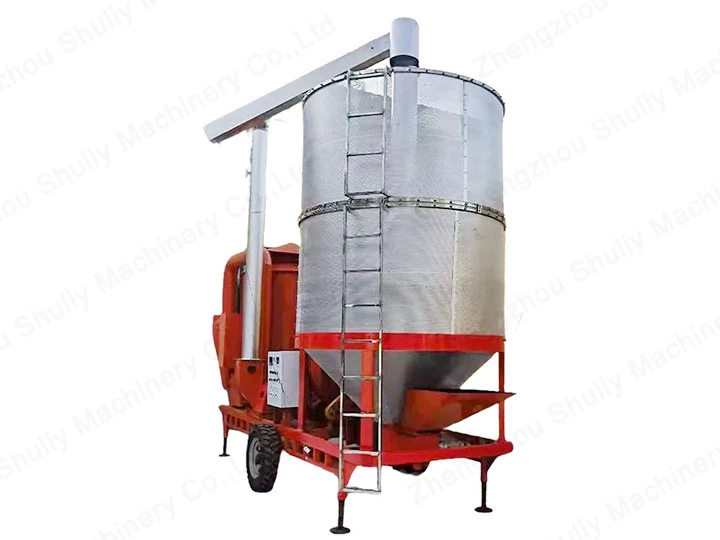
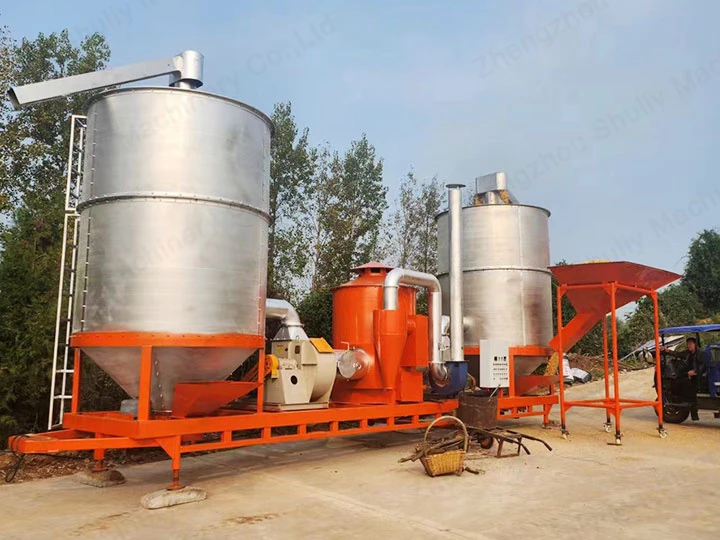
In addition, we offer a wider range of models for you to inquire about, including double-chamber grain dryers.
Why Choose a Grain Drying Machines to Dry Wheat?
- Not affected by weather conditions
- Improves efficiency, able to dry multiple bins per day
- Reduces labor costs
- Ensures grain quality and color preservation
- Suitable for large-scale farmers, grain stations, and agricultural processing plants